


Industrial Cleaning: Essential Solutions for Safe, Efficient, and High-Quality Operations
Introduction
Industrial cleaning is a critical component of modern manufacturing, processing, and production operations. From factories and warehouses to food processing plants and chemical facilities, industrial cleaning ensures equipment, surfaces, and environments are safe, hygienic, and efficient.
A clean industrial environment is not just about appearances. It improves safety, reduces contamination, extends equipment life, and boosts productivity. Companies that invest in professional industrial cleaning solutions enjoy higher operational efficiency, compliance with safety regulations, and a better working environment for employees.
In this article, we will explore the types, techniques, and benefits of industrial cleaning, key equipment used, and how businesses can optimize their cleaning processes for maximum efficiency.
What Is Industrial Cleaning?
Industrial cleaning refers to the systematic cleaning of manufacturing, production, and industrial facilities. Unlike regular cleaning, industrial cleaning deals with heavy machinery, chemical residues, oil and grease build-up, dust, and debris that accumulate in high-volume operations.
Industrial cleaning can be categorized into several types based on application:
- Mechanical Cleaning – Using brushes, scrapers, and high-pressure water systems to remove dirt and residue.
- Chemical Cleaning – Applying specialized cleaning agents to dissolve oils, greases, and contaminants.
- Sanitization and Disinfection – Essential in food, pharmaceutical, and chemical industries to maintain hygiene and prevent contamination.
- Surface Cleaning – Floors, walls, ceilings, and other non-machinery surfaces to ensure a clean working environment.
Professional industrial cleaning combines these techniques with advanced equipment to achieve safe, effective, and efficient results.
Why Industrial Cleaning Is Important
1. Ensures Safety
Industrial environments often contain slippery surfaces, oil spills, chemical residues, and dust accumulation. Regular cleaning prevents workplace accidents and ensures employee safety.
2. Improves Equipment Lifespan
Dirt, debris, and residues can cause machinery to wear out faster. Industrial cleaning prevents premature breakdowns, reduces maintenance costs, and extends equipment life.
3. Maintains Production Efficiency
A clean environment reduces downtime caused by contamination, equipment failure, or blocked systems. Clean equipment operates more efficiently, leading to higher productivity.
4. Compliance with Regulations
Industries such as food, pharmaceuticals, and chemicals must adhere to strict hygiene standards. Industrial cleaning helps facilities comply with OSHA, FDA, and other regulatory requirements.
5. Enhances Workplace Environment
Clean facilities boost employee morale, reduce complaints, and create a professional appearance for visitors and stakeholders.
Key Techniques in Industrial Cleaning
High-Pressure Washing
High-pressure washing systems remove grease, oil, and dirt from machinery and surfaces quickly and efficiently. These systems are essential for automotive plants, manufacturing lines, and heavy equipment cleaning.
Steam Cleaning
Steam cleaning uses high-temperature steam to sanitize surfaces and remove stubborn residues. It is ideal for food processing, pharmaceutical, and healthcare facilities.
Dry Ice Blasting
Dry ice blasting removes contaminants without leaving secondary waste. It is highly effective for delicate machinery and electronics.
Ultrasonic Cleaning
Ultrasonic cleaning uses high-frequency sound waves to clean small, complex, or sensitive components. It is commonly used in electronics, precision engineering, and medical equipment maintenance.
Chemical Cleaning
Chemical cleaning involves specialized solvents or detergents to dissolve grease, scale, or chemical residues. It is often used in pipelines, tanks, and heavy machinery.
Equipment Used in Industrial Cleaning
Industrial cleaning relies on professional equipment designed for high performance and durability:
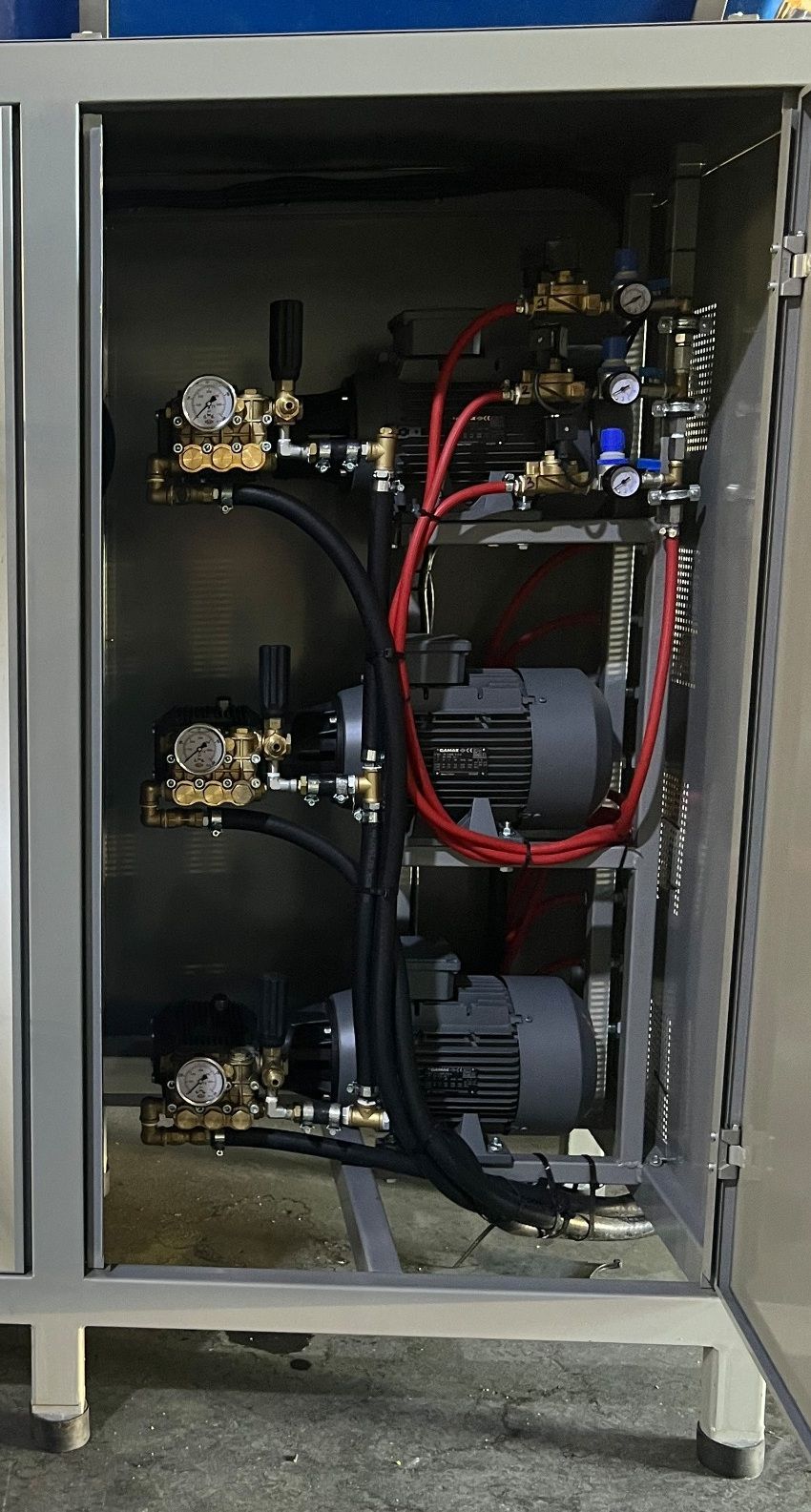
- High-Pressure Pumps – Provide powerful water streams for cleaning surfaces and machinery.
- Industrial Vacuum Systems – Remove dust, debris, and hazardous materials efficiently.
- Foam and Chemical Applicators – Apply cleaning agents consistently and safely.
- Steam Generators and Cleaners – Deliver high-temperature cleaning and sanitization.
- Automated Cleaning Machines – Robotic and automated systems reduce manual labor and increase efficiency.
- Protective Gear and Safety Equipment – Essential for worker safety during industrial cleaning operations.
Choosing the right equipment ensures effective cleaning, reduced downtime, and lower operational costs.
Benefits of Professional Industrial Cleaning Services
- Efficiency and Speed – Professional services use advanced techniques and equipment to clean faster and more thoroughly.
- Expert Knowledge – Trained professionals understand industry-specific cleaning requirements and safety standards.
- Reduced Operational Downtime – Cleaning is scheduled and executed to minimize disruption to production.
- Sustainable Practices – Modern industrial cleaning focuses on water conservation, chemical management, and energy efficiency.
- Long-Term Cost Savings – Preventative cleaning reduces repair costs, equipment replacements, and potential safety incidents.
Trends in Industrial Cleaning
The industrial cleaning industry is evolving with new technology and practices:
- Automated and Robotic Cleaning Systems – Reduce labor costs and increase consistency.
- Eco-Friendly Cleaning Solutions – Water-efficient systems and biodegradable chemicals.
- IoT-Connected Equipment – Monitor cleaning cycles, track efficiency, and reduce waste.
- High-Pressure Pump Innovation – Energy-efficient pumps save electricity while delivering maximum performance.
- Predictive Maintenance Integration – Cleaning schedules based on machine usage and condition rather than fixed intervals.
These trends help businesses optimize cleaning, save resources, and maintain regulatory compliance.
Conclusion
Industrial cleaning is a vital component of safe, efficient, and high-performing industrial operations. From heavy machinery and production lines to floors and walls, professional cleaning ensures safety, hygiene, and productivity while reducing operational costs and downtime.
Investing in modern cleaning techniques, energy-efficient equipment, and professional services allows businesses to maintain compliance, extend equipment lifespan, and create a cleaner, safer work environment. Companies that prioritize industrial cleaning not only protect their workforce but also strengthen their reputation and operational efficiency.

